
 +86-15916242887


News



Fabrication and Selection of Compact RF Baluns
2026-03-30
Fabrication and Selection of Compact Rf Baluns
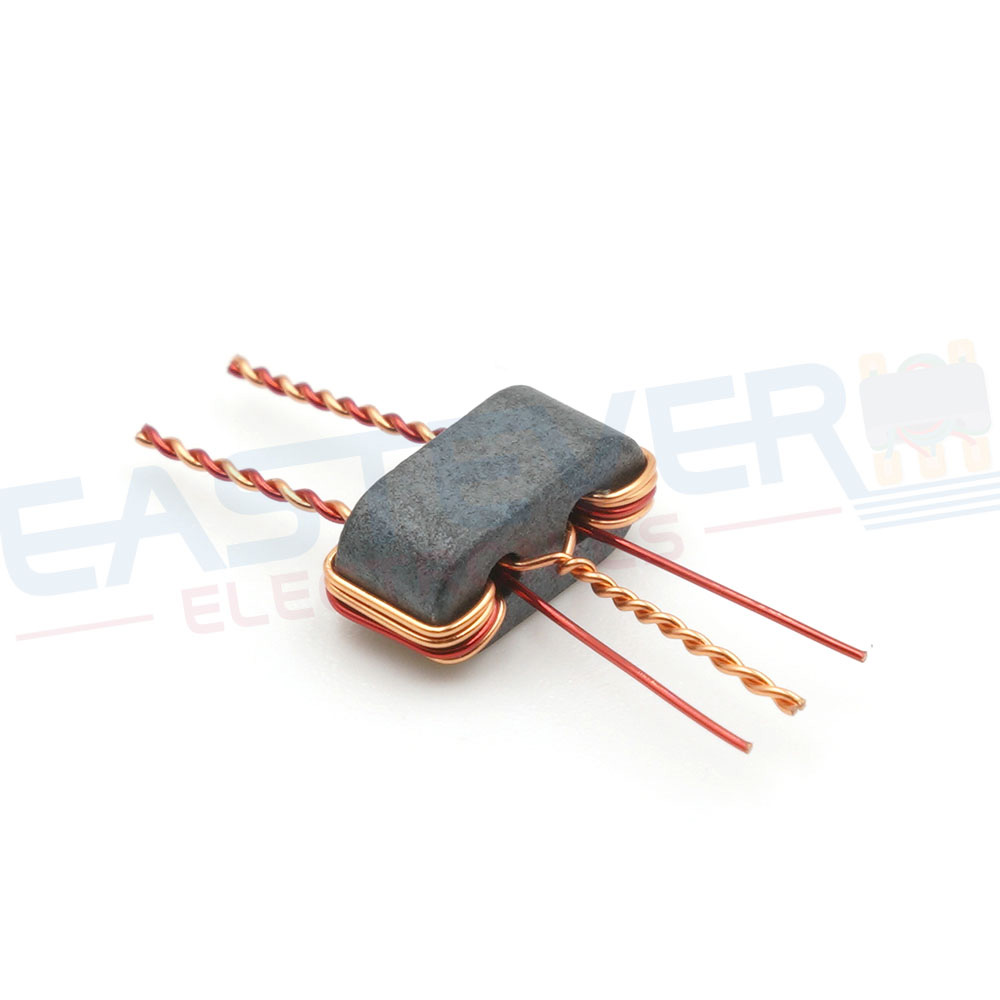
In modern wireless communication and RF circuit design, the Rf Balun serves as a critical component, widely used in antenna matching, signal balancing, and isolation. However, with the prevailing trend toward device miniaturization, traditional balun designs often struggle to meet the demands of compact spaces. Consequently, achieving a "Compact Footprint Rf Balun" has become an urgent challenge for engineers. In practical applications, small-sized baluns not only save valuable PCB real estate but also enhance the overall system's integration and performance.
1. Understanding Core Functions
First and foremost, grasping the basic function of a balun is essential. Its core role is to convert unbalanced signals to balanced ones, or vice versa. For instance, in antenna systems, baluns convert single-ended signals into differential signals to reduce Electromagnetic Interference (EMI) and improve signal quality. Since traditional baluns are typically bulky—which is less than ideal for high-frequency, high-integration applications—designing a compact balun requires optimization across materials, structure, and circuit topology.

2. Magnet Wire and Material Selection
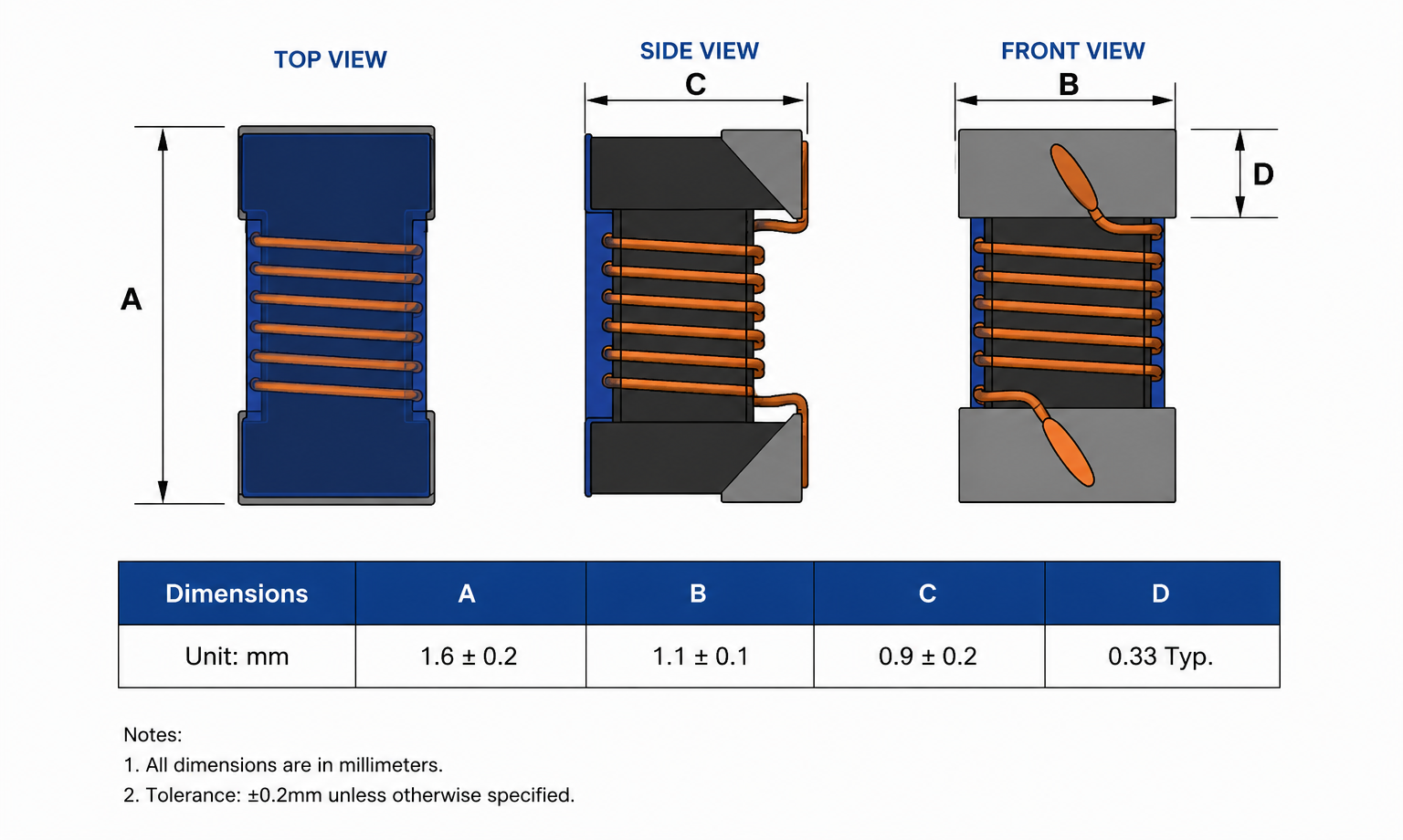
Secondly, selecting the appropriate magnet wire structure is key to realizing a small-sized balun. Common structural components include ferrite cores, bases, and epoxy encapsulation. Among these, the cost and quality of the magnet wire are often primary considerations for many designs. By carefully choosing the width, length, and dielectric material of the wire, engineers can significantly reduce the balun's size without sacrificing performance. For example, utilizing substrates with a high dielectric constant allows for shorter transmission line lengths, thereby shrinking the overall footprint.

3. Base Design and PCB Integration
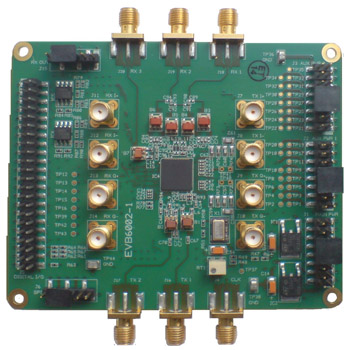
Thirdly, the design of the base must be tailored to the specific PCB application. Choosing the correct base effectively enhances the balun's compactness. In multilayer boards, the balun structure can be embedded into internal layers, avoiding the occupation of precious surface space. Furthermore, the choice of epoxy and the winding technique directly impact electromagnetic shielding effectiveness, reducing the influence of external interference on the signal. For instance, multilayer PCB structures are widely used in 5G base station RF modules to achieve smaller balun sizes and higher stability.
4. Layout and Routing Optimization
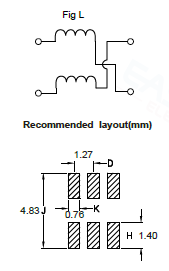
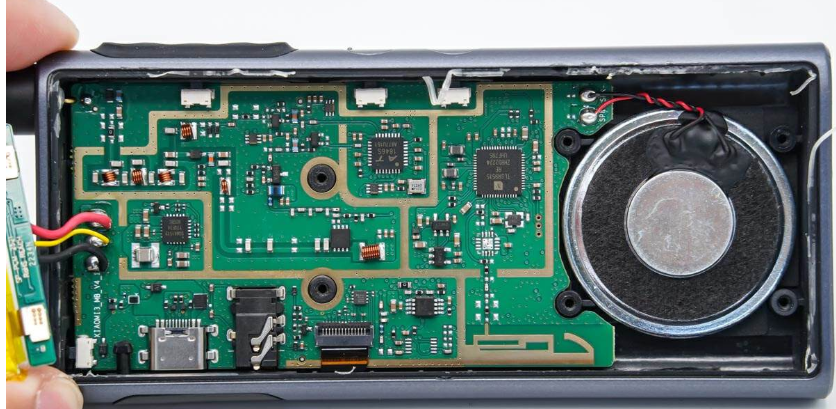
Fourthly, optimizing the balun's layout and routing helps minimize its occupied space. Effective routing strategies can reduce parasitic capacitance and inductance, improving the balun's frequency response. Simultaneously, a rational layout prevents signal crosstalk and ensures stability at high frequencies. A common method in high-frequency design is to place the balun's input and output ports in close proximity to reduce trace length, thereby boosting performance and reducing size.
5. Symmetrical Structure Design
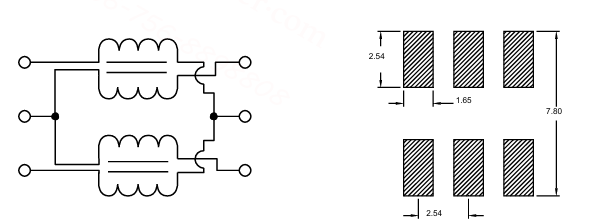
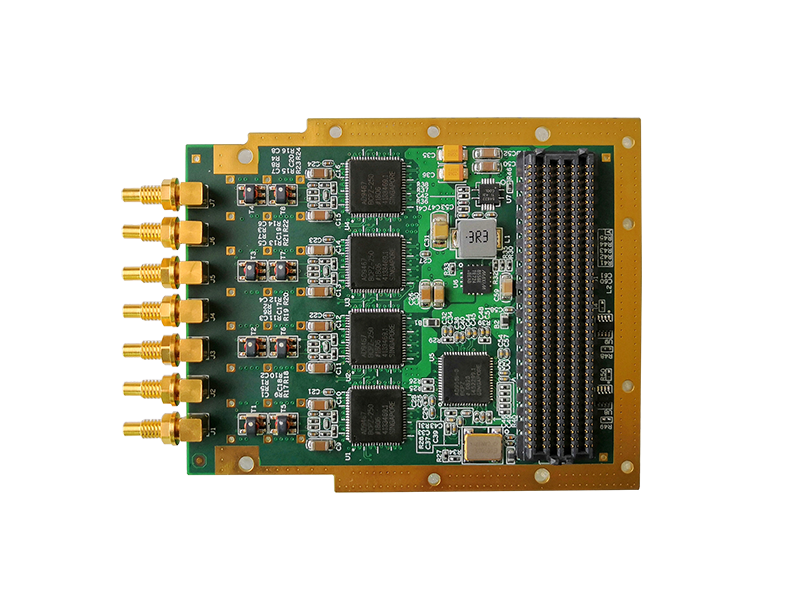
Fifthly, employing a symmetrical structure is a vital method for achieving compact baluns. Symmetry effectively balances signal paths, reducing loss and noise caused by imbalance. Typically, baluns use a twin-wire or transformer structure. Through precise symmetrical design, high balancing performance can be achieved within a small volume. For example, some high-frequency communication modules utilize symmetrically wound transformer-style baluns, which can reduce volume by over 40% while maintaining performance.
6. Integrated Design Solutions
Sixthly, adopting an integrated design approach can further shrink the balun's dimensions. Integrating the balun with other RF components—such as filters and amplifiers—not only reduces the overall footprint but also improves system reliability. For instance, in certain millimeter-wave communication systems, the balun and antenna matching network are integrated onto a single chip, drastically reducing the module size while enhancing performance.

7. Testing and Process Control
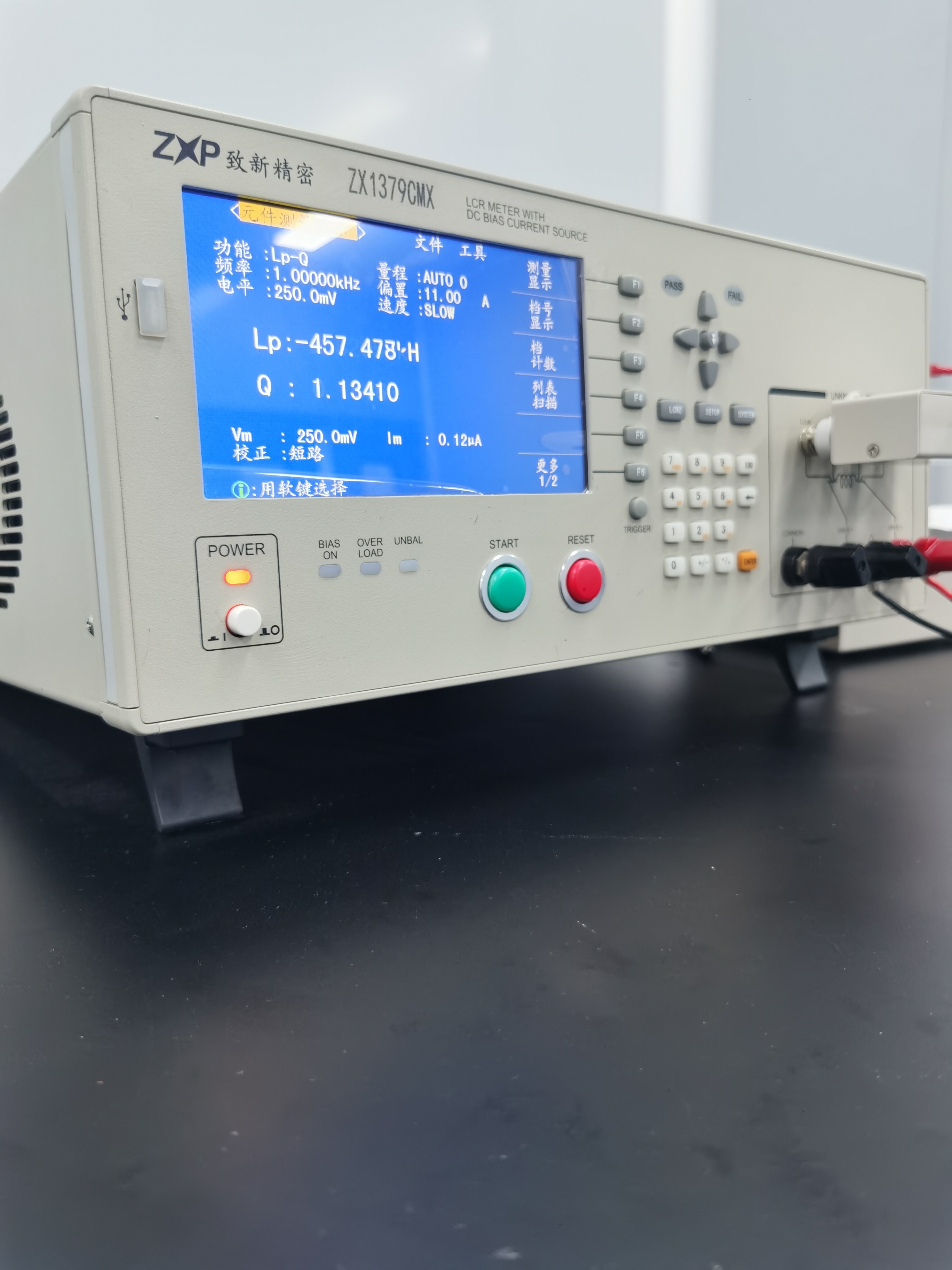
Finally, the application of testing and optimization tools cannot be overlooked. Advanced electromagnetic simulation software allows for precise performance prediction and structural optimization during the early design stages. This accelerates the development cycle and ensures excellent performance despite the small size. However, relying solely on instruments does not guarantee shipping efficiency or yield rates. Skilled personnel are needed to utilize high-frequency RF analyzers to inspect units as they are loaded into carrier tapes. This rigorous detection process not only significantly reduces the defect rate but also ensures consistent impedance matching and phase balance.